Press Release
Latest News
- 69 million Barrels of Oman Crude Oil Traded in a Single Week, Marking the Strongest Trading Week in Two Decades
- The Geopolitics of Commodities: How Conflict, Trade Routes, and Sanctions Shape Market Dynamics
- GME Announces Strategic Appointments of James Martin as Chief Growth Officer and Kevin O’Reilly as Head of Commodities
- Gulf Mercantile Exchange and Shanghai Futures Exchange Sign Memorandum of Understanding to Strengthen Cooperation
- GME Reports Strong Growth in 2024 Performance, Highlighting 12% Increase in Total Volume.
Posted on Sep 30, 2026.
The Gulf Region as an Emerging Economic Zone: Commodity Markets at the Center of Transformation

For decades, the Gulf region, anchored by the Gulf Cooperation Council (GCC) states of Saudi Arabia, the United Arab Emirates, Qatar, Kuwait, Bahrain, and Oman, has been synonymous with oil wealth and energy dominance. Today the economic panorama of the Gulf is shifting, and the region is developing into a diversified economic hub, leveraging its strategic geographic location, investment capacity, and expanding commodity market expertise. This transformation is positioning the Gulf not only as a supplier of energy, but as an important participant in the global commodities markets including metals and minerals, agricultural goods, and derivatives exchanges where commodity futures trade.

Energy Still Rules, But the Game Is Changing
Oil and gas remain the cornerstone of most Gulf economies. Saudi Arabia, the UAE, and Kuwait hold some of the world’s largest proven reserves; the region is central to global price stability through its leadership within OPEC and OPEC+. Furthermore, National oil companies like Saudi Aramco, ADNOC, and QatarEnergy are investing in petrochemicals, LNG expansion projects, hydrogen, and technologies that allow both upstream and downstream integration.
The Gulf states understand that global decarbonization efforts, while gradual, pose long-term challenges to hydrocarbon-dominated economies. As a result, they are expanding into adjacent commodity and financial domains. This includes increasing participation in oil trading, hedging, and derivatives markets, as well as investing in alternative energy commodity chains such as solar-grade polysilicon, green hydrogen, and critical minerals needed for electrification.
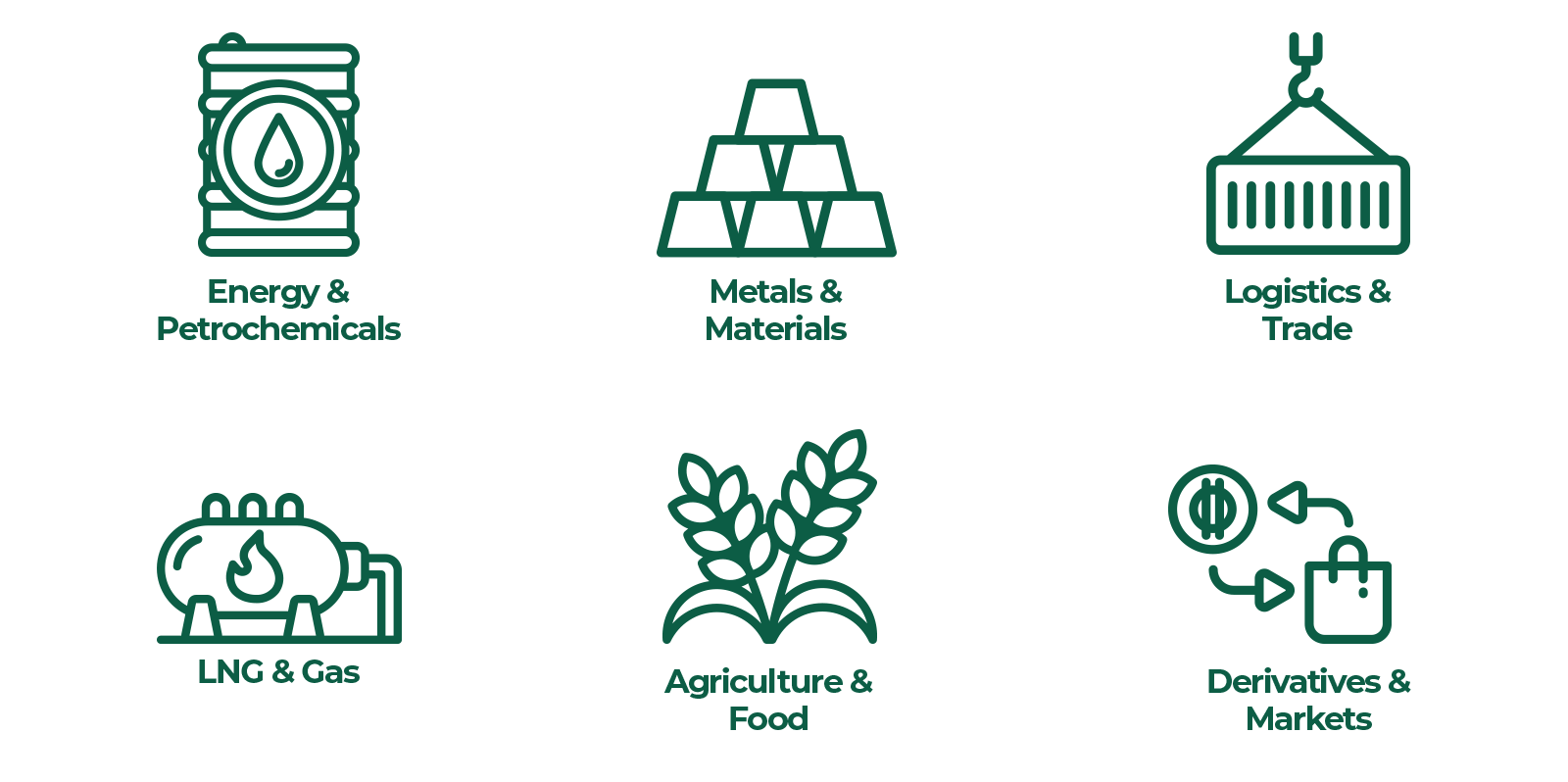
The Rise of Regional Commodity Trading Hubs
The UAE is increasingly viewed as the Singapore of the Middle East, an open, well-regulated environment where global traders can access markets stretching across Africa, South Asia, and Europe. Bahrain and Qatar, though smaller, are also expanding their financial and commodities infrastructure, particularly in LNG trading, reinsurance, and Islamic finance.
The Dubai International Financial Centre (DIFC) is a financial free zone in Dubai with its own legal system, infrastructure, and regulator, the Dubai Financial Services Authority (DFSA). The DIFC is home to many financial institutions. The Gulf Mercantile Exchange (GME) is the energy and commodities exchange located within the DIFC, that provides a globally accessible trading venue for price discovery and risk management.
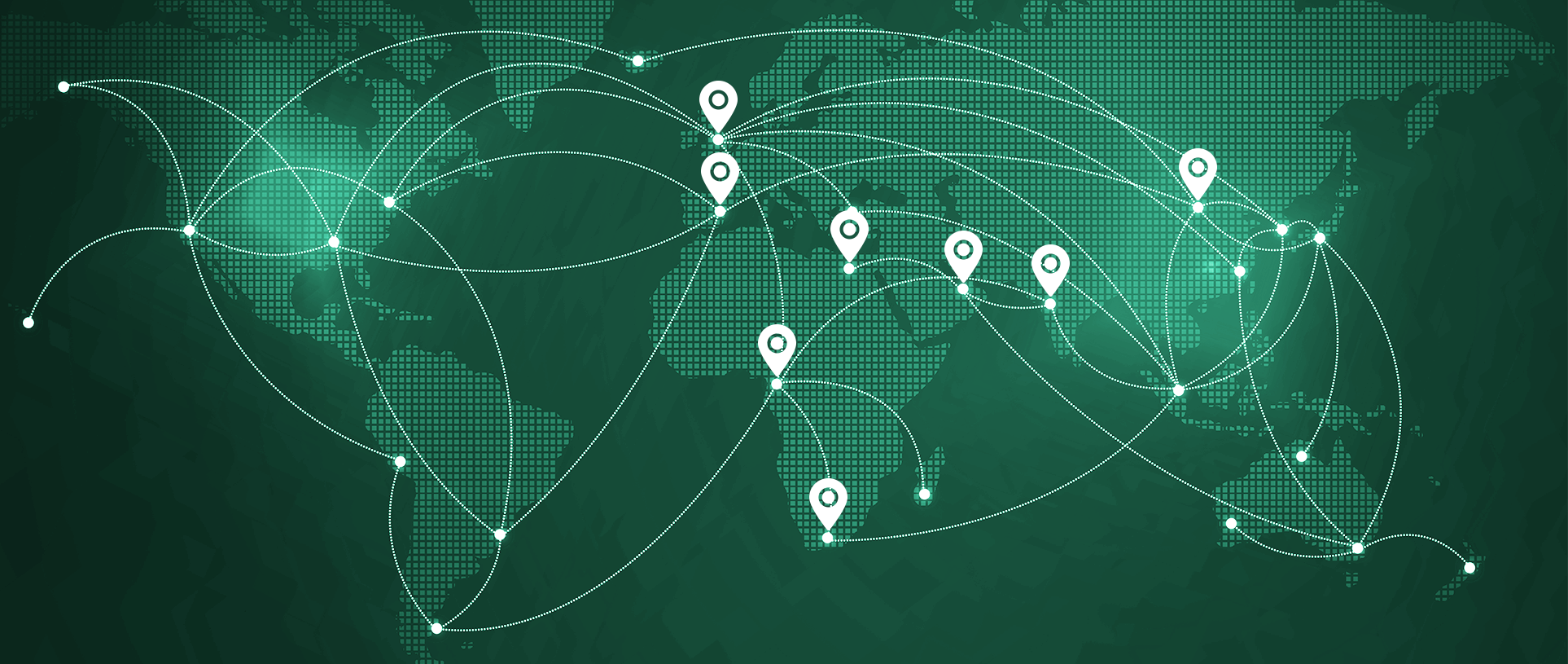
Saudi Arabia, with its Vision 2030 diversification plan, is investing heavily in its own commodity market capabilities, including as a major shareholder in the GME. Its evolving mining sector has become a strategic priority, aimed at unlocking a treasure trove of minerals including copper, phosphate, gold, and rare earth elements, resources essential to the global energy transition. The creation of the Saudi Arabian Mining Company (Ma’aden) and the Future Minerals Forum signals the country’s ambitions to become a global mining and metals hub.
Food and Agricultural Commodities: Strategic Necessities
The Gulf’s desert climate has historically limited agricultural production, making food security a top priority. Yet this constraint has also driven innovation and international investment. Gulf sovereign wealth funds and private conglomerates are now key investors in overseas farmland and agricultural supply chains spanning Africa, Central Asia, Eastern Europe, and Latin America.
As climate change puts further pressure on global food availability, Gulf states are building sophisticated import, storage, and logistics systems. The UAE’s Abu Dhabi Ports and Jebel Ali Port are examples of world-class logistics centers that serve domestic markets and act as transit points for agricultural commodities destined for Africa and South Asia.
Moreover, new markets in sustainable agriculture, aquaculture, and controlled-environment farming (such as vertical farms) are emerging within the region, powered by renewable energy and advanced water technologies. This simultaneously supports food security and positions the Gulf as a testing ground for climate-resilient agricultural innovation.
Metals, Minerals, and the Energy Transition
The global transition to low-carbon energy systems requires vast quantities of metals, copper, nickel, lithium, cobalt, and rare earth elements. Some Gulf countries are investing heavily in upstream mining operations abroad while developing processing and refining capabilities at home.
Saudi Arabia’s ambitions to become a global hub for EV battery production and critical mineral supply chains are particularly noteworthy. The kingdom’s vast landmass contains significant but underexplored mineral reserves. Its investment strategy includes partnerships with international mining giants, incentives for exploration, and the creation of integrated industrial zones supporting metal refining and manufacturing.
The Strategic Role of Sovereign Wealth Funds
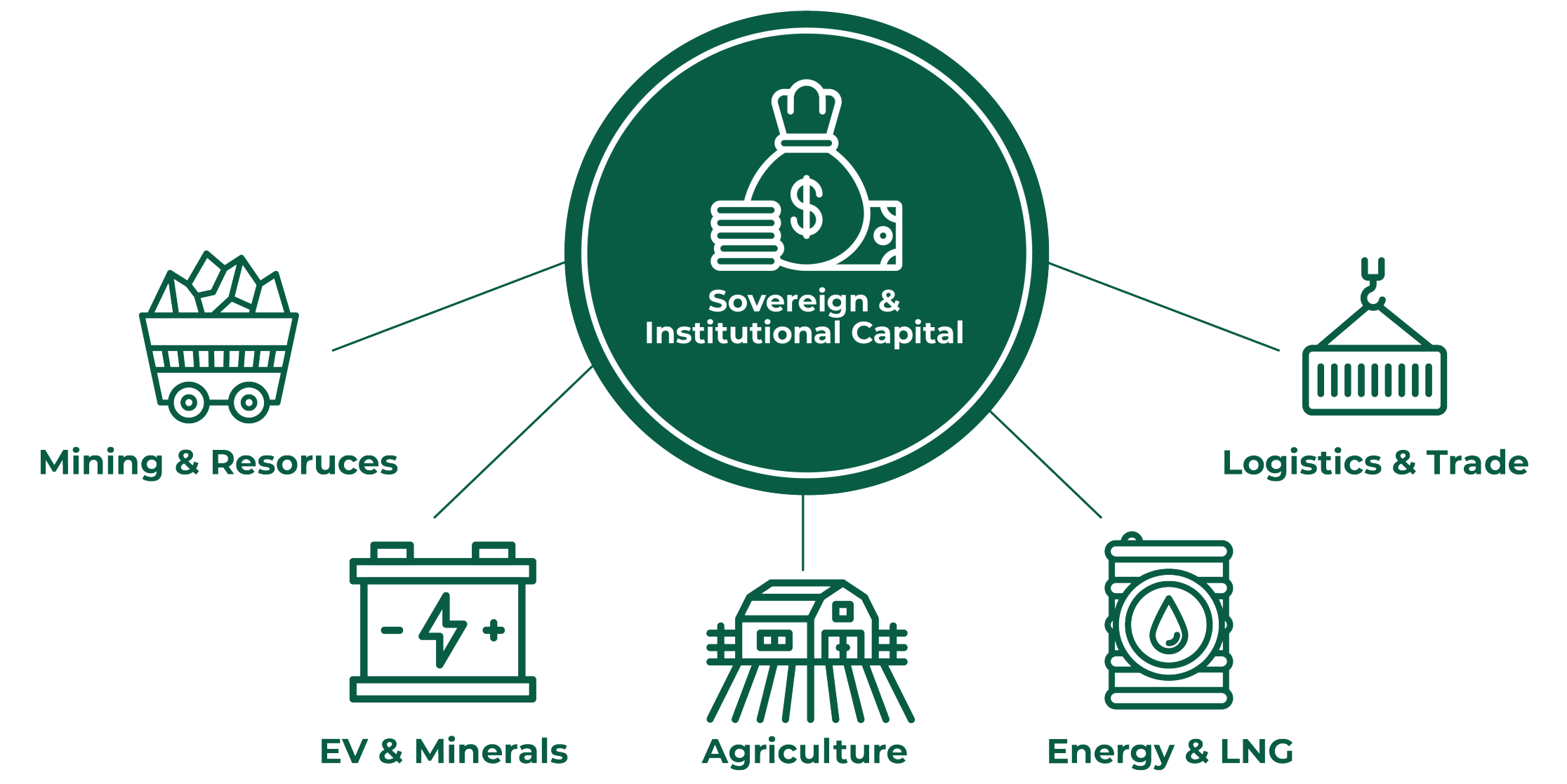
A key driver of the Gulf’s expanding role in global commodity markets is the unparalleled financial strength of its sovereign wealth funds. Institutions such as Saudi Arabia’s Public Investment Fund (PIF), Abu Dhabi Investment Authority (ADIA), and Qatar Investment Authority (QIA) control trillions of dollars collectively. Their investments span mining projects in Africa, food production in Asia, EV technologies in Europe, and energy assets across the Americas.
These funds not only diversify national revenue streams but also allow Gulf states to shape global commodity flows, secure supply chains, and build influence in emerging industries.
Looking Ahead: A New Global Economic Power Center
The Gulf region’s rise as an emerging economic zone is tied to commodity markets. Increasingly, it is the breadth of engagement rather than the traditional focus on hydrocarbons that is driving this. From energy, agriculture, and metals to logistics, technology-driven sustainability, and commodity trading through the venues like the GME, the Gulf is evolving into a sophisticated, multidimensional player in global trade. Commodity markets are not just a legacy sector for the Gulf; they are now the foundation for its future economic leadership.
As global economic power continues to shift toward Asia, Africa, and the Middle East, the Gulf’s strategic position between these regions, combined with immense financial resources and ambitious national development strategies, positions it at the crossroads of the next wave of global economic integration.
As this transformation accelerates, the GME stands at the heart of it. Born from the region’s need for transparent benchmarks and modern risk-management tools, the GME has evolved into a platform capable of supporting the region’s next chapter, from oil and refined products to metals, agriculture, and beyond.
With deep partnerships across governments, national oil companies, and many global market participants, the GME is positioned not to observe this shift, but to enable it.
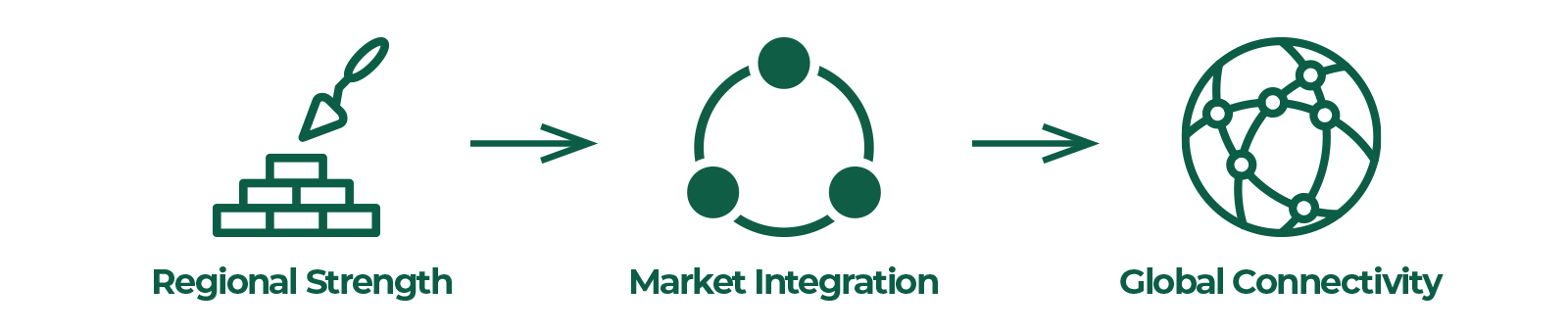
And as new supply chains emerge, sustainability agendas rise, and regional capital seeks smarter pricing tools, the GME is the ideal commodity trading platform designed to translate ambition into market infrastructure, supporting the Gulf’s rise as a global economic and commodities powerhouse.